
Company · Contact
Let’s connect
We’re good at making great connections. Even with humans.
Whether you’re curious about how our equipment can meet your needs or you’re ready to place an order, our teams are prepared to address any challenges you may face.
Send us a message
Sales — interested in Visitech products? Discuss your requirements, or speak with a product expert about the technical details of your project.
Support — in a hurry? Our support teams solve product-related challenges quickly. Choose the right department below.
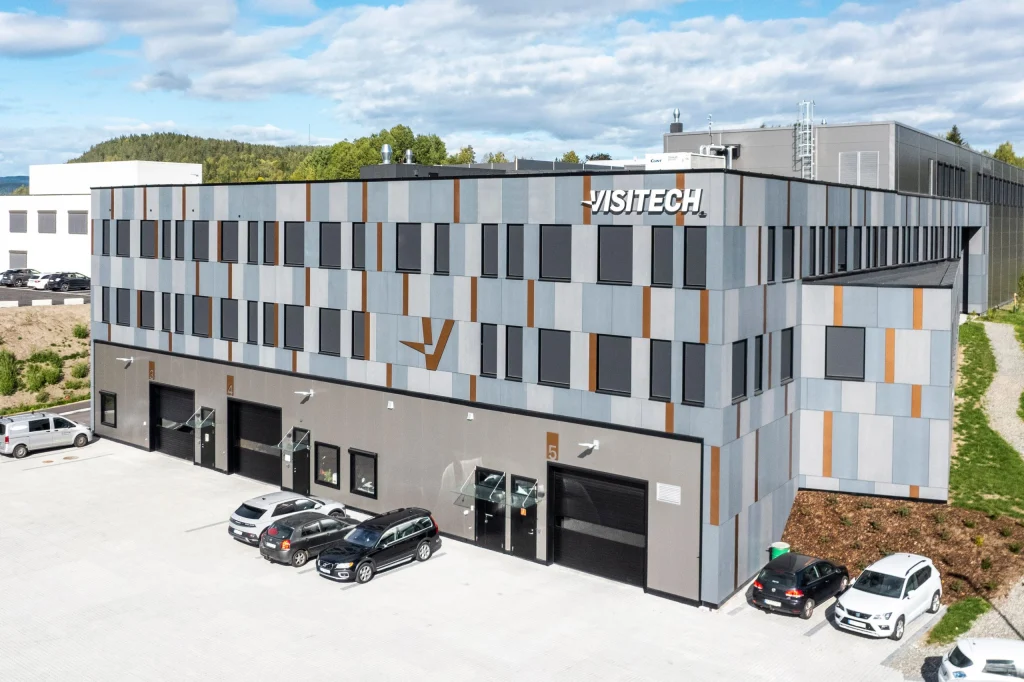
NorwayHQ · Support
ChinaSales · Support · Production · Repair
Visitech Shanghai
2F, Building 2, No. 290 Guiqiao Road, JQEPZ, Pudong
Shanghai 200120, ChinaUnited StatesSales · Support · Production · Repair
JapanSales · Support
Should I contact Sales or Support?
Choose Sales if you are evaluating Visitech for a new machine or project, or need product and pricing information. Choose Support if you already use a Visitech product and need help with integration, operation, software or repair. Lithography covers LLS photoheads and Additive Manufacturing covers LRS light engines. If you are unsure, pick the closest option and describe your application. We’ll route it to the right team.
What should I include in my inquiry?
For a new project, tell us about the application, resolution, image or build area, wavelength, throughput target and timeline. For support, include the product name, serial number, software version and a clear description of the issue, with any error messages, logs or images.
Can Visitech help me select and integrate the right subsystem?
Yes. Our application engineers support machine builders from early requirements and product selection through mechanical, electrical and software integration. Each subsystem comes with a documented interface, and LLS integration includes on-site support.
Can I buy the LLS photoheads separately?
No. The photoheads are closely tied to our system software, which is necessary for proper operation. The LLS is delivered as a subsystem for integration into your machine or tool.
Where can I find datasheets and technical documentation?
Each product page links to its datasheet, and lithography datasheets are collected on the Datasheets page. Existing customers can access additional resources through Customer Login. If you can’t find a document, contact us with the product name.
Which office should I contact?
Contact the office nearest you. Visitech HQ in Drammen handles lithography and support. Shanghai and Americas cover sales, support, production and repair, and Japan covers sales and support.
What happens after I submit the form?
Your request goes to the department you selected. A sales, application or support specialist reviews it and follows up using the contact details you provided.

Engineered in-house.
Deployed and supported worldwide.
- Years of DLP experience
- 25+
- Systems deployed
- 15 000+
- Field-proven reliability
- 24/7